
Practical 4 week plan for those newly diagnosed with prediabetes
Being told you have prediabetes can feel worrying, but in the UK it is best understood as a warning sign, where you can take practical steps to improve your health. Prediabetes means your blood sugar levels are higher than normal, but not high enough to be classed as Type 2 diabetes. The first 4 weeks after receiving your prediabetes news is an opportunity to take simple, evidence-based steps that can significantly reduce your future risk.
Please don’t panic, there are practical steps you can take to reduce the risk of your prediabetes moving towards Type 2 diabetes. There is also a large amount of support and education available to you. Prediabetes is not a diagnosis of inevitable diabetes, many people move back into the normal range, stay stable for years and never develop Type 2 diabetes.
This guide is written for someone based in the UK and references specific UK based programmes.
Terms you may hear when you are told you have prediabetes.
- HbA1c: A blood test showing your average blood sugar over the past 2–3 months.
- DSN: Diabetes Specialist Nurse, often a nurse at your GP surgery who has received specialist training in diabetes management.
- Metformin: The most common first medication for Type 2 diabetes.
- Target Range: The blood sugar levels your healthcare provider wants you to aim for.
- Lifestyle Intervention: Changes in diet, physical activity, sleep, and stress management.
- Remission: When blood sugar levels return to non-diabetic ranges without medication.
Week 1: Understand Your Result and Get Support
The first step is to understand what your diagnosis means. In the UK, prediabetes is defined as having a HbA1c between 42 and 47 mmol/mol. This would have been determined through a blood test. The ranges used in the UK, by the NHS are:
- Normal (non-diabetic): Below 42 mmol/mol
- Prediabetes: 42–47 mmol/mol
- Type 2 Diabetes: 48 mmol/mol or higher
Ask your GP or nurse to confirm your exact result and when it will be rechecked, this is usually in 6 to 12 months. It is also helpful to understand if you have any other risk factors such as weight, blood pressure, cholesterol levels, family history and (if applicable) whether you had gestational diabetes in the past.
Consider how you would like to be supported? Do you like to join online communities, go to face to face sessions, or do you like to read and research yourself or maybe you want to be told directly what to do?
Think about what you expect would work best for you. It could be possible to be overwhelmed with all the different support options so consider your own preferences as there is support available in many different forms.
During this first week, take time to understand what daily habits you want to track and change. At this stage it is about awareness, not restriction. You may choose to take a more personal proactive approach and use a digital therapeutic app to guide you through evidence based behaviour change. PreDiaWell (https://prediawell.com) helps you track progress and understand your daily habits from day one.
- Digital and flexible – No appointments, no waiting lists. Just effective support at your own pace.
- Clinically proven – Backed by research and trusted by healthcare professionals.
- Easy to use – Personalised guidance, interactive lessons and real-time progress tracking.
Depending on where you live you may get a referral to the NHS Diabetes Prevention Programme. This free programme focuses on realistic changes to diet, physical activity and weight. It may be offered to you as an online programme, face-to-face or as a mix of both, and many people find the structure and support reassuring.
Week 2: Make Practical Changes
Dietary changes are important, but extreme dieting is not recommended. Instead of cutting out entire food groups, focus on improving meal structure. Regular meals containing protein, vegetables and fibre help keep blood sugar levels more stable.
Gradually reduce foods most likely to raise blood sugar, such as sugary drinks, pastries, white bread and large portions of refined carbohydrates like white rice or pasta. Many people find that identifying just two or three “problem foods” and reducing those can lead to meaningful improvements in HbA1c. There are food swaps available for almost all foods so it isn’t a case of doing without but understanding what you could swap to.
- Diabetes UK – Food Swaps https://www.diabetes.org.uk/living-with-diabetes/eating/healthy-swaps
- NHS Eatwell Guide https://www.nhs.uk/live-well/eat-well/food-guidelines-and-food-labels/the-eatwell-guide/
Increasing the amount of daily movement is important. And like dietary changes there is no need for extreme exercise. Start with aiming to move 30 minutes a day; gentle walking, yoga, chair based exercises are all good places to start if exercise is new to you. If you are someone who likes structure or having a target.
- Couch to 5k – 9 week programme https://www.nhs.uk/better-health/get-active/get-running-with-couch-to-5k/couch-to-5k-running-plan/
- The Ramblers – https://www.ramblers.org.uk/go-walking/ramblers-groups
- u3a – https://www.u3a.org.uk/
By now you may also be building up a list of questions and would find a non judgemental, shared community space useful. The list below is just scratching the surface, type prediabetes into your preferred social media platform and you will find community groups. I would recommend you find a group that differentiates between prediabetes and type 2 diabetes, and one that provides a positive, practical place to ask your questions.
- Diabetes UK Support Forum – https://forum.diabetes.org.uk
- Facebook UK Prediabetes Support – https://www.facebook.com/groups/ukprediabetessupport/
There will also be regional support groups which often offer face to face meet ups.
Week 3: Gaining Confidence
Three weeks into your diagnosis and your lifestyle changes you will be gaining a level of confidence and you may be able to speak more openly about your diagnosis. At the start of my own diagnosis I had a lot of ‘this isn’t fair’, ‘why me?’, ‘people will think bad of me’ negative thoughts and questions. As these questions take shape you can start to share with your friends and family who will be wanting to support you.
You may also have more medical related questions about your own diagnosis and what is going to happen in the future. Contact your GP surgery and ask for an appointment with the diabetes specialist, this can be a GP or a Diabetes Specialist Nurse (DSN). Take someone along with you if you think you won’t remember what is talked about.
If you have started increasing your daily movement then one effective habit is to add in a 10 – 15 minute walk after your largest meal, this helps reduce blood sugar spikes.
This addition means that over time you are building towards the 30 minutes movement per week. These 30 minutes can include walking, cycling, gardening or simple bodyweight exercises at home.
Depending on the services offered by your GP surgery there may be an option for free or discounted gym memberships / classes. Your GP connects you to a Social Prescribing team who assess what non medical support you might benefit from.
Week 4: Reduce Risk and Plan Ahead
If you have started making healthy changes, improved your understanding, connected with others and found a source of support that works for you…..then you have made a great start to your prediabetes journey.
Sleep and stress are often overlooked but play a significant role in blood sugar control. Aim for 7 – 8 hours of sleep per night, avoid late-night eating, and try to build regular routines that support relaxation. Poor sleep alone can raise HbA1c levels.
By the end of the month, it would be good to set realistic goals for the next 3 – 6 months. If you have achieved a modest weight loss (if appropriate), and made some sustainable lifestyle changes then a 3 – 5 mmol/mol reduction in HbA1c could be achieved.
What NOT to do in the first 4 weeks
- Panic or label yourself as “diabetic”
- Cut out all carbs suddenly
- Obsess over numbers daily
- Expect medication straight away (not standard in the UK)
What success looks like after 4 weeks
By the end of 4 weeks, you should:
- Better understand your risk
- Be enrolled in a support programme such as PreDiaWell
- Have 2 – 3 sustainable habits in place
- Feel more in control, not restricted
In summary
Prediabetes does not mean you will inevitably develop type 2 diabetes. Many people return to normal blood sugar levels or remain stable for years. The first 4 weeks are about building understanding and confidence. Small, consistent changes made early can have a lasting impact on your health.
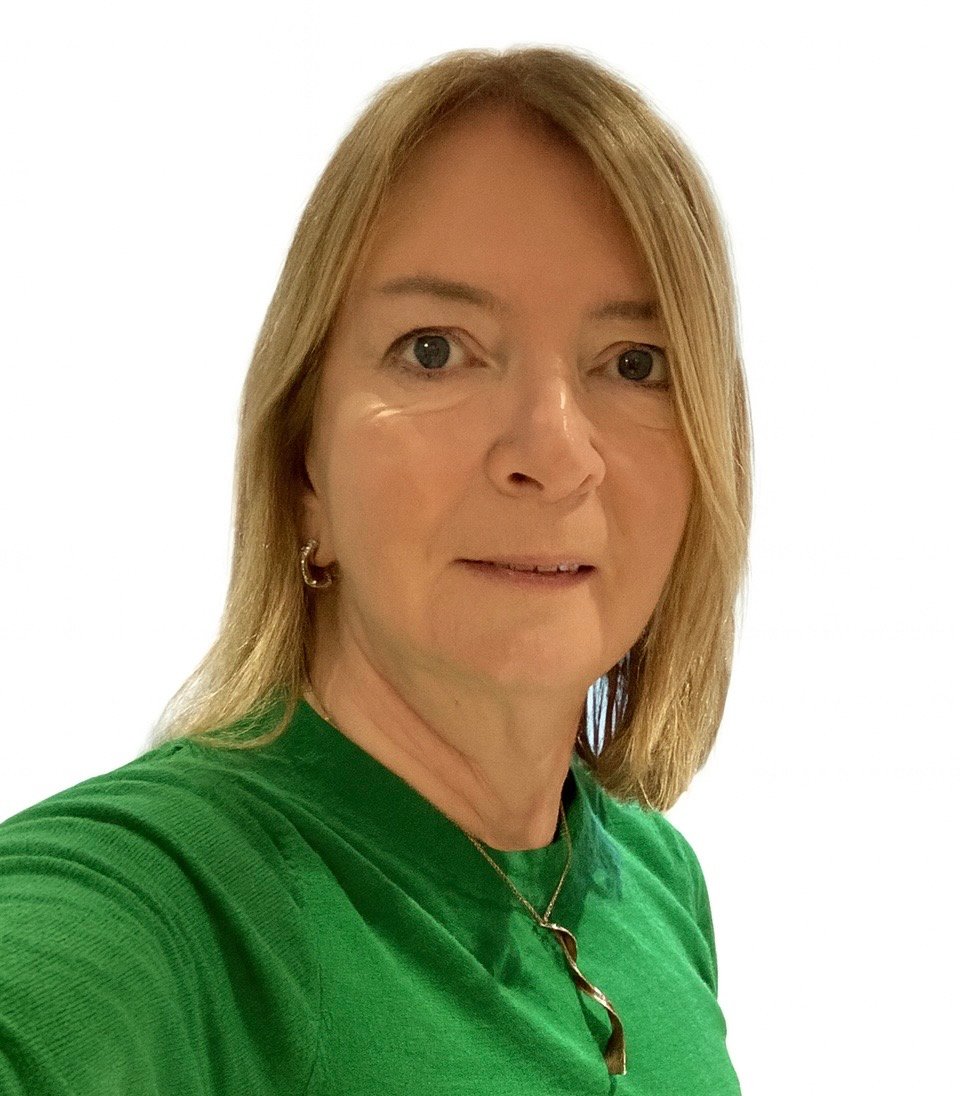
Meet the AUTHOR
Jo Sellwood
Let me introduce myself as I start sharing my diabetes connected thoughts via a set of blogs for Tesu Health. I’m a relatively newly diagnosed Type 2 diabetic if you’d say that 5 years is newly diagnosed. To me it still feels like I am learning about diabetes, how to manage my own diabetes and how the medical and research community are moving forward to help us all. My diagnosis was only confirmed after I was unwell with a completely unrelated condition. It was a surprise as I thought I was fit and healthy. A vegan marathon runner probably isn’t the first person you’d expect to have T2. Over the last 5 years I’ve moved through different medication regimes and am currently injecting slow acting insulin once a day. For me, this works well in conjunction with my (self-funded) Continuous Glucose Monitor. As a way of better understanding diabetes and my own lived experience, I volunteer with DiabetesUK. I am fortunate to be an Expert by Experience as part of their Diabetes Research Steering Group which is planning the next research into the causes of diabetes. I am a huge advocate of enabling people living with diabetes to have the knowledge, skills and support to take action and thrive. I hope you enjoy reading my blogs. You can read more through my LinkedIn posts.