
“Next Gen” treatments for prediabetes – where might we be going
If you have prediabetes and are curious on where the advancement in preventative treatments might come from, then these are my findings gathered from National Institute for Health, DiabetesUK, NHS England and the American Diabetes Association.
The aim is to move to personalised treatment plans which include greater availability to technology and the use of medicines which go beyond blood sugar control and start to reduce the likelihood of future complications.
The goal is to halt (or slow) the progression from prediabetes to Type 2 diabetes.
What might a Personalised Treatment Plan look like?
It would be a move from a “one-size-fits-all” approach, which currently targets lifestyle changes, to one that works best for the individual. Empowering people with prediabetes to be active participants in their health management. This involves shared decision making, where patients are able to make informed choices about their lifestyle and treatment based on what matters to them, supported by education and resources.
- Individual goal setting: GPs or Diabetic Specialist Nurses work with patients to develop specific, measurable goals that align with their lifestyle, age, life expectancy, and personal motivations. This could include targets for blood sugar control, weight management, and physical activity efforts that are relevant to their lifestyle.
- Continuous Glucose Monitors (CGMs): There is a wider choice of CGMs (including affordable over-the-counter options) to track blood sugar levels in real-time. Patients can understand how specific foods, exercises, and stressors affect blood sugar, and have the data to make their own adjustments to their diet and activity levels.
- Adopting digital therapeutics: Digital Therapeutic apps such as PreDiaWell offer dietary recommendations, movement tracking, and education. These are designed for easy engagement and use gamification and challenges in ways which are familiar and easy to use for smartphone app users.
- AI-powered coaching: Conversational AI applications will provide scalable, 24/7 coaching and motivational support, mimicking human interaction to help patients adhere to their treatment plans and address behavioral challenges.
- Consideration of comorbidities: Treatment plans are developed with the individual’s overall health in mind, including existing conditions like heart failure or chronic kidney disease. This might influence the choice of medication, such as using SGLT2 inhibitors for their cardio-renal protective benefits.
- Consideration of social determinants of health: A personalised treatment plan takes into account non-medical factors that impact health, such as access to healthy food, transportation, housing, and social support networks, to ensure the plan is practical and achievable.
- Precision medicine: This approach incorporates advanced biomarkers and genetic testing to put patients into subgroups based on their unique risk profiles and potential responses to specific therapies. This helps medicine prescribers choose the most effective medications with minimal trial and error and fewer side effects.
- Microbiome based interventions: Companies are developing capsules containing live bacteria to restore metabolic balance, as research highlights the gut microbiome’s significant role in glucose metabolism and insulin sensitivity.
- Herbal and natural compounds: Plant based supplements like berberine and sulforaphane (found in broccoli) are being investigated for their potential to improve glucose control and enhance insulin sensitivity.
Summary
The list above is very long, complicated and very varied. Different options are suitable for different people for different reasons. Each of them is likely being researched and developed by different teams with different motivations. People diagnosed with prediabetes don’t need all of them to come all the way through the research process. What we do need is greater choice when diagnosed and greater involvement in the creation of a Personalised Treatment Plan.UK stated they invested £5.4 million into new research projects in 2024.
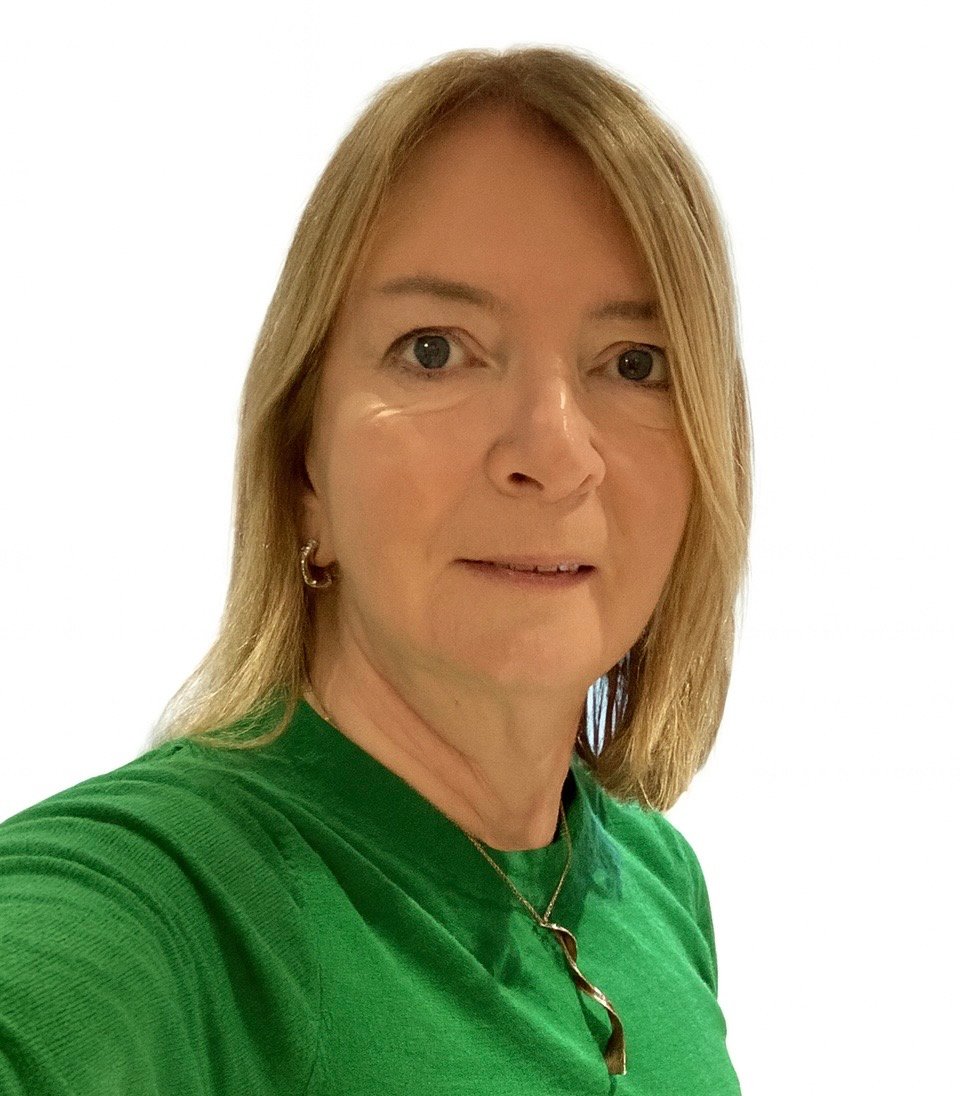
Meet the AUTHOR
Jo Sellwood
Let me introduce myself as I start sharing my diabetes connected thoughts via a set of blogs for Tesu Health. I’m a relatively newly diagnosed Type 2 diabetic if you’d say that 5 years is newly diagnosed. To me it still feels like I am learning about diabetes, how to manage my own diabetes and how the medical and research community are moving forward to help us all. My diagnosis was only confirmed after I was unwell with a completely unrelated condition. It was a surprise as I thought I was fit and healthy. A vegan marathon runner probably isn’t the first person you’d expect to have T2. Over the last 5 years I’ve moved through different medication regimes and am currently injecting slow acting insulin once a day. For me, this works well in conjunction with my (self-funded) Continuous Glucose Monitor. As a way of better understanding diabetes and my own lived experience, I volunteer with DiabetesUK. I am fortunate to be an Expert by Experience as part of their Diabetes Research Steering Group which is planning the next research into the causes of diabetes. I am a huge advocate of enabling people living with diabetes to have the knowledge, skills and support to take action and thrive. I hope you enjoy reading my blogs. You can read more through my LinkedIn posts.