
Talking to your GP or nurse about your prediabetes
A new, and most likely unexpected, diagnosis of prediabetes can raise lots of questions and GP appointments are often short. Think about what’s most important for you to understand and what could be left for a follow on appointment.
Good preparation helps you ask the right questions, gain reassurance and leave the appointment with a clear plan.
You may have received your diagnosis at a previous appointment, over the phone, or even via a patient portal…..”we’d like to talk to you about your recent blood test results”. I received my diagnosis after a blood test for something completely unrelated.
Before the appointment: How to prepare
Know your key numbers, write these down or have them on your phone:
- HbA1c result (in mmol/mol) and the date of the test.
- Any previous HbA1c results, these may be available in one of the NHS Apps (Patient Access or NHS App)
- Your weight, blood pressure, cholesterol if you know these.
The GP will be able to look at your record to find these but having them available in front of you helps you guide the conversation.
Think about your personal risk factors, which might be relevant to the advice you receive.
- Family history of Type 2 diabetes
- Previous gestational diabetes
- Recent weight changes
- Current activity levels
- Any medications you already take
Decide your top 3 questions, as GP Appointments are usually only 10 minutes, ask your most important questions first.
- “What does my HbA1c mean for my risk?”
- “How close am I to the diabetes threshold?”
- “Is my HbA1c mildly raised or near the top of the range?”
- “What should I focus on first to reduce it?”
- “If I focus on just one or two changes, what would you recommend?”
- “Is weight loss a key goal for me, or should I focus more on activity or diet?”
- “When will it be checked again?”
- “What would success look like over the next 6–12 months?”
Write these down as it is easy to forget in the moment.
During the Appointment: How to use time well
Start with a clear opening, this helps focus the conversation.
“I’ve been diagnosed with prediabetes and I’d like to understand what it means and what I should do next.”
Ask your questions, explain that you have made a note of some questions you would like to ask, and then ask your questions. Make a note of the answers as it is very easy to forget what answers you received.
Ask about next steps and follow-up, important points to clarify.
- When will HbA1c be rechecked? (usually 6 – 12 months)
- Will I be referred to the NHS Diabetes Prevention Programme?
- Should I see a practice nurse or dietitian?
- Will I be referred to the Social Prescribing team?
- How will I be able to tell that I am making progress?
- What are the most important warning signs I should be looking out for, and what should I do if they happen?
PreDiaWell – A personal and practical step forward if your conversation includes a request to make lifestyle changes. Consider using a digital therapeutic app to guide you through evidence based behaviour change covering weightloss, daily exercise, food choices and diabetes education. PreDiaWell (https://prediawell.com) helps you track progress against your lifestyle changes and helps you understand your daily habits from day one.
If the appointment feels rushed, this is common and not a failure on your part.
- Ask for a follow-up with the practice nurse, some surgeries have a Diabetes Specialist Nurse.
- Request written resources or trusted websites
- Ask if (and how) you can message the practice with further questions
After the appointment: What to do next
Before you leave (or end the call), make sure you know.
- Your HbA1c number, your main goal (e.g. reduce HbA1c, lose weight, increase exercise) and when you’ll be reviewed again.
The answers to these three questions are a really good starting point, write them down as soon as possible.
Then plan how you are going to make the positive changes you agreed to at your appointment. Seeing improvements in your prediabetes happens over time and with sustained commitment. Remember there is now a much wider range of help available to you outside the doctors surgery.
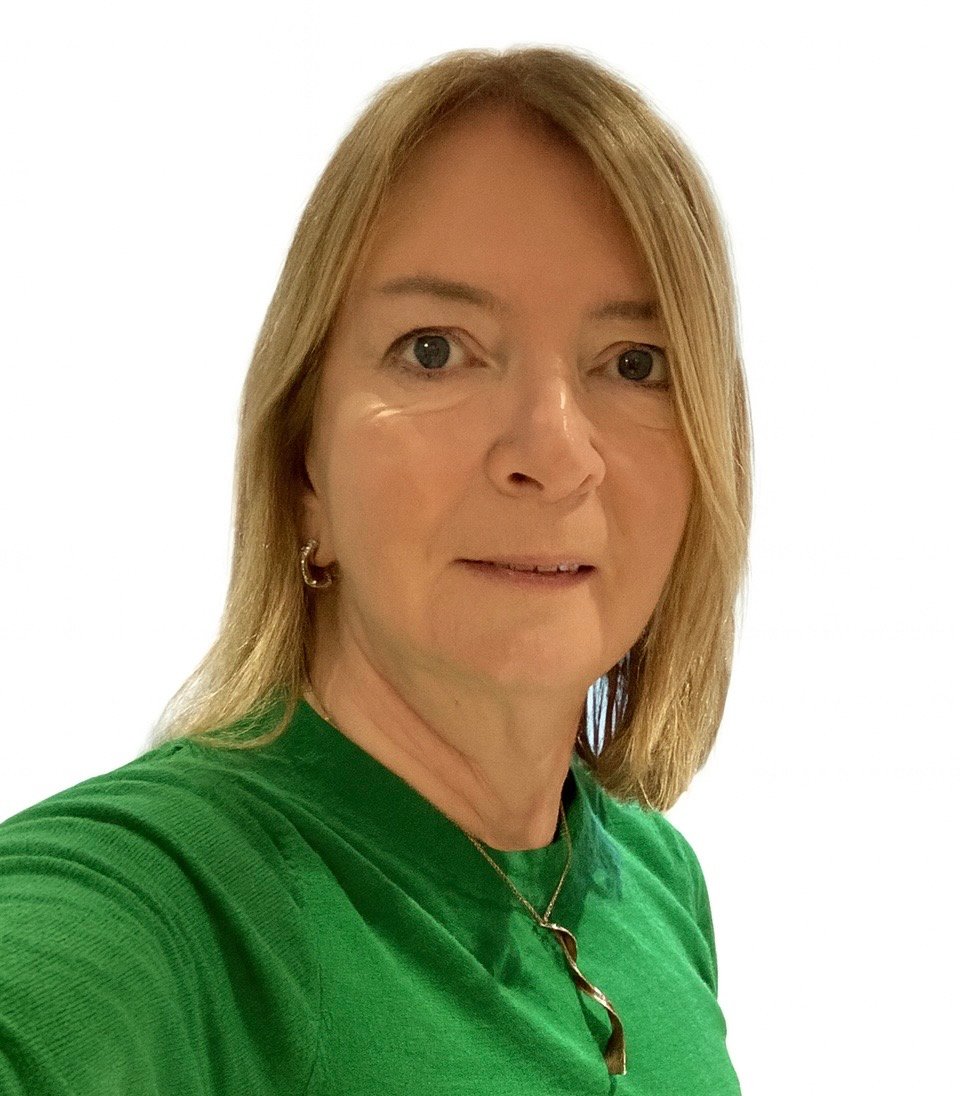
Meet the AUTHOR
Jo Sellwood
Let me introduce myself as I start sharing my diabetes connected thoughts via a set of blogs for Tesu Health. I’m a relatively newly diagnosed Type 2 diabetic if you’d say that 5 years is newly diagnosed. To me it still feels like I am learning about diabetes, how to manage my own diabetes and how the medical and research community are moving forward to help us all. My diagnosis was only confirmed after I was unwell with a completely unrelated condition. It was a surprise as I thought I was fit and healthy. A vegan marathon runner probably isn’t the first person you’d expect to have T2. Over the last 5 years I’ve moved through different medication regimes and am currently injecting slow acting insulin once a day. For me, this works well in conjunction with my (self-funded) Continuous Glucose Monitor. As a way of better understanding diabetes and my own lived experience, I volunteer with DiabetesUK. I am fortunate to be an Expert by Experience as part of their Diabetes Research Steering Group which is planning the next research into the causes of diabetes. I am a huge advocate of enabling people living with diabetes to have the knowledge, skills and support to take action and thrive. I hope you enjoy reading my blogs. You can read more through my LinkedIn posts.